Java Native Nutrition

Exploring natural compounds from Java island and their role in traditional wellness practices

Java Native Nutrition for Joint Mobility

Java island has a rich botanical heritage spanning centuries. The natural compounds found in Java's diverse flora have been part of traditional diets and cultural practices for generations. This resource explores the informational aspects of these native plant nutrients and their place in everyday wellness discussions.

The focus here is educational: understanding what these compounds are, where they come from in Java, and how they've been traditionally utilized. This information is presented for learning purposes only, without medical claims or commercial intent.

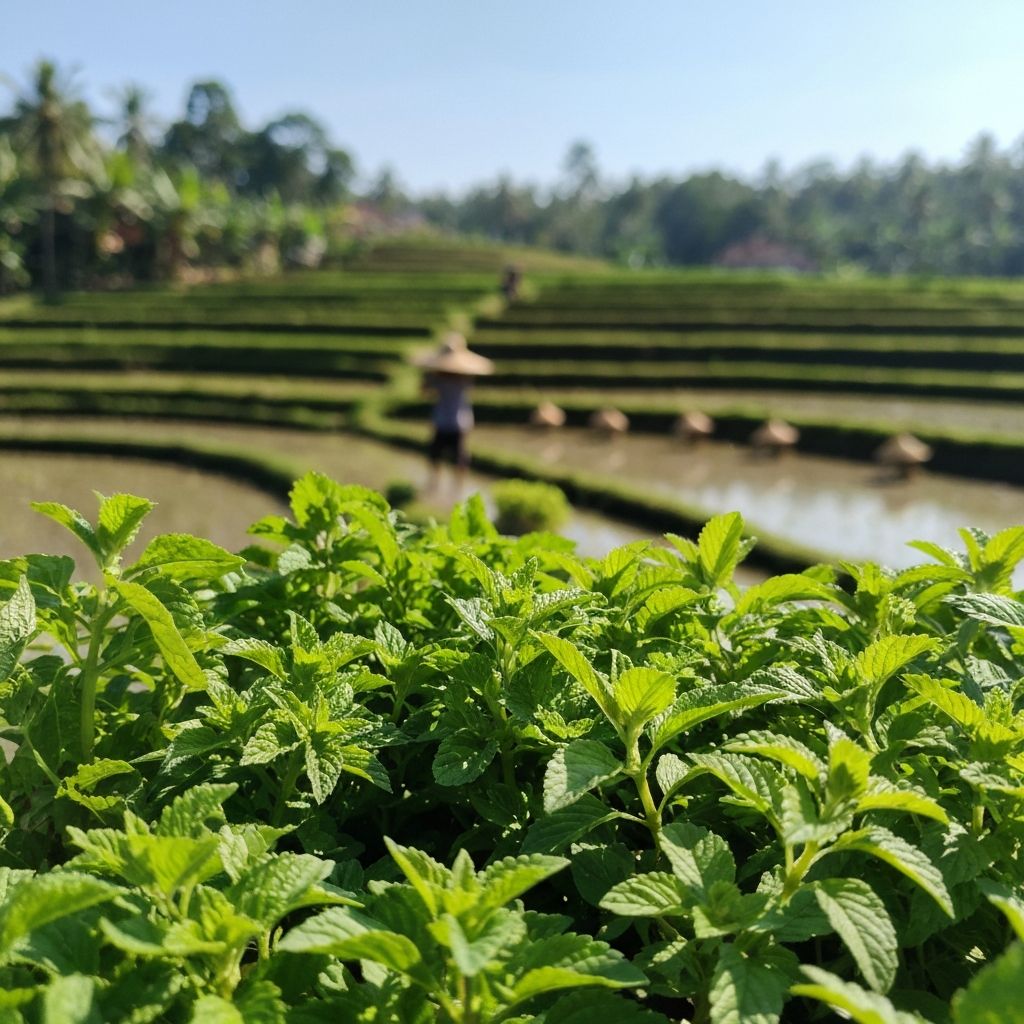
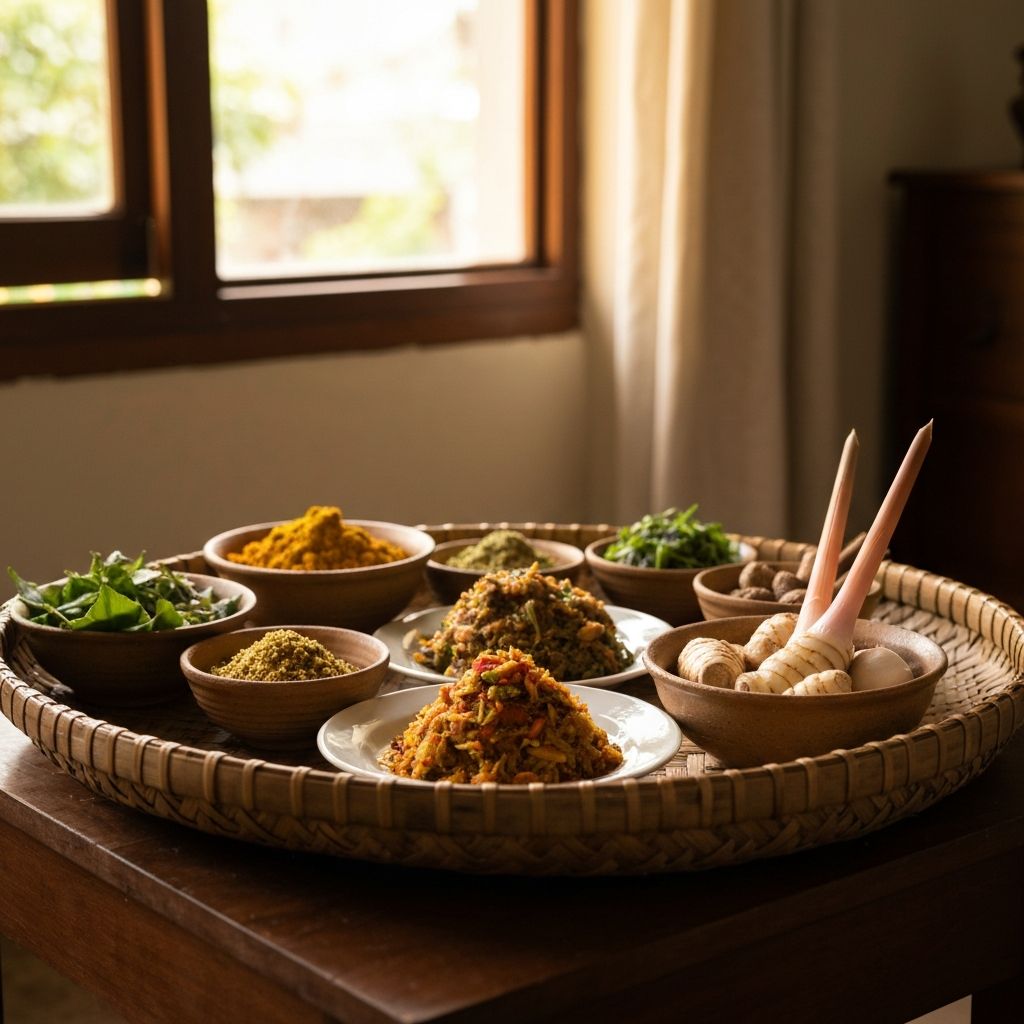
Java paddy herbs
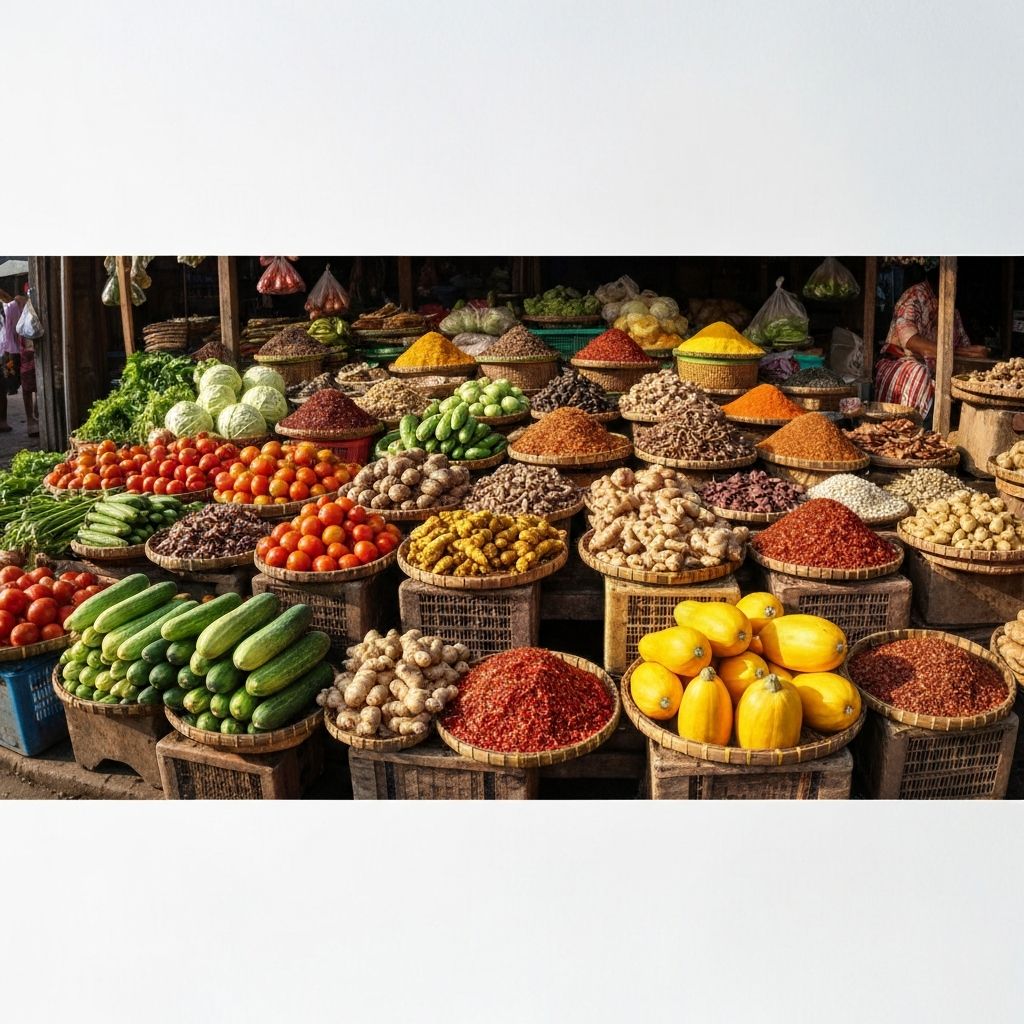
Traditional Javanese market

Role of Local Foods in Daily Movement Comfort

Throughout Java, local markets display an impressive variety of plants, roots, and spices that have been integrated into traditional food culture. These natural compounds have supported everyday nutrition for local populations across generations.

Understanding the traditional roles of these foods provides context for modern discussions about nutrition and wellness. The compounds present in these foods represent part of Java's cultural and nutritional heritage, reflecting a diverse approach to maintaining overall wellness through varied, naturally sourced ingredients.

Overview of Java Key Compounds

Java's native plant compounds include a diverse range of natural elements that have been part of traditional diets and wellness discussions. Here's an educational overview of the key compounds found in Javanese flora:

Glucosamine

Derived from both marine and plant-based sources found in Java's coastal and terrestrial ecosystems. Traditionally discussed in the context of supporting joint structure and mobility in everyday movement.

Chondroitin

A natural compound traditionally found in Javanese diets through various food sources. Discussed in traditional wellness practices as a dietary component supporting movement comfort.

Collagen Peptides

Marine-derived collagen from Java's coastal waters represents a traditional protein source. Often discussed as a structural component in traditional nutrition approaches.

MSM (Methylsulfonylmethane)

Found in various Java plant-based foods, MSM is a naturally occurring sulfur compound traditionally discussed in the context of everyday nutritional diversity.

Curcumin

The active compound in turmeric, deeply rooted in Javanese culinary tradition. Discussed extensively in traditional wellness contexts as a dietary staple.

Herbal Compounds

Ginger, boswellia, and various other Javanese herbs represent traditional ingredients discussed in wellness practices and traditional nutrition for centuries.

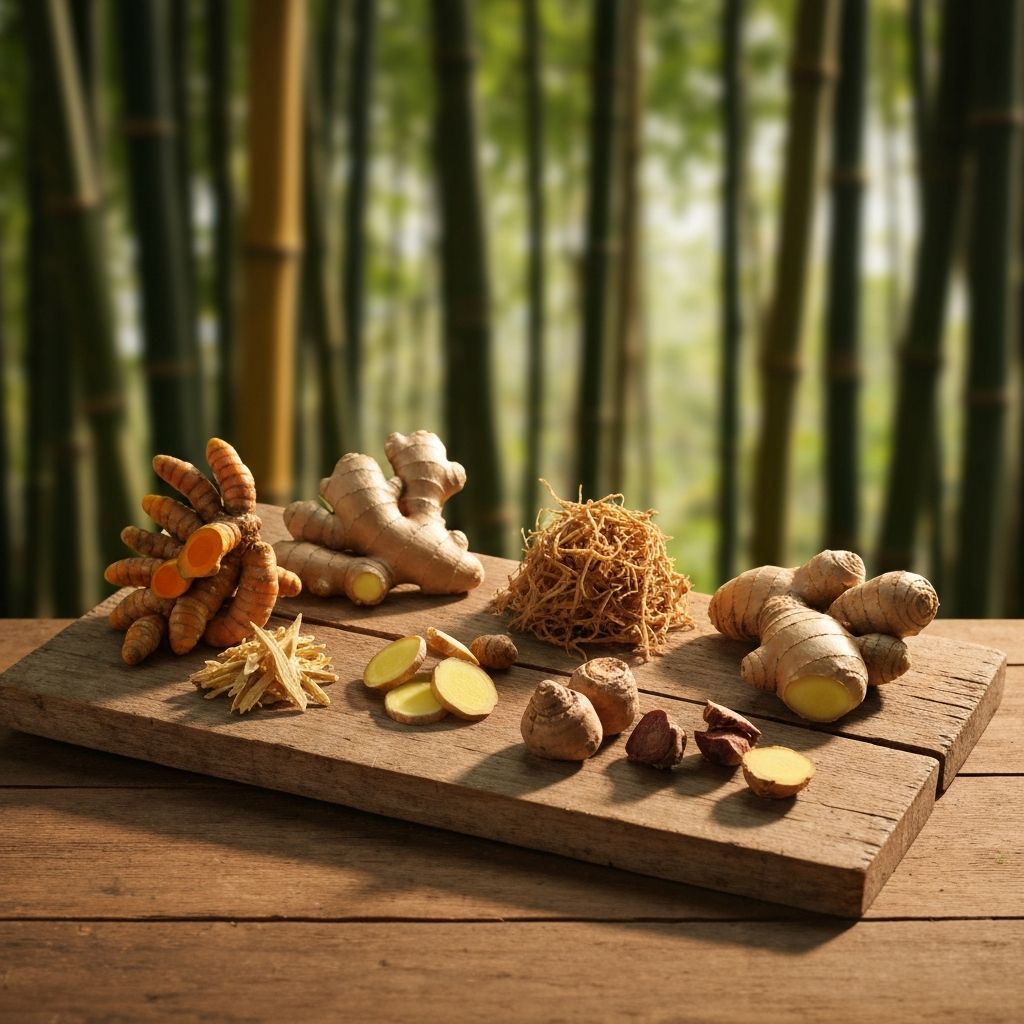
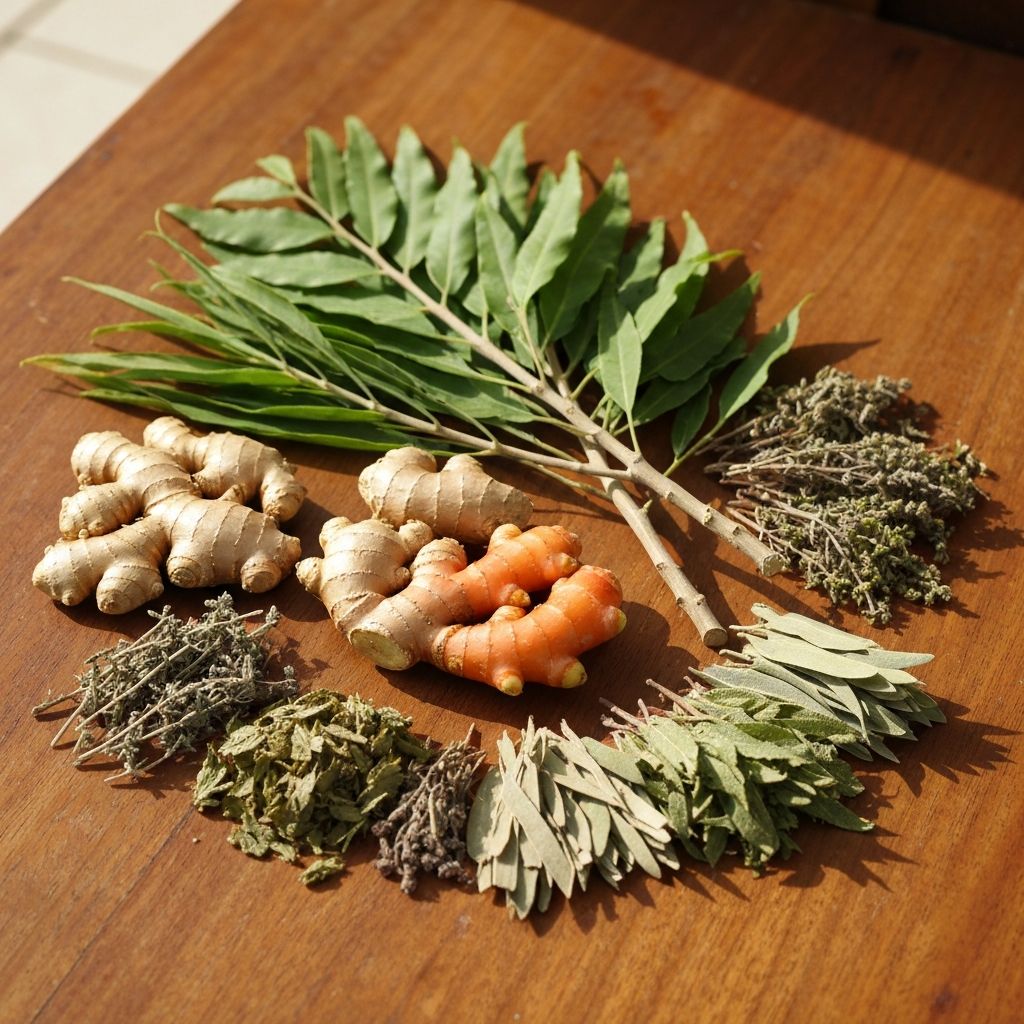
Java native roots and compounds

Glucosamine from Island & Sea Sources

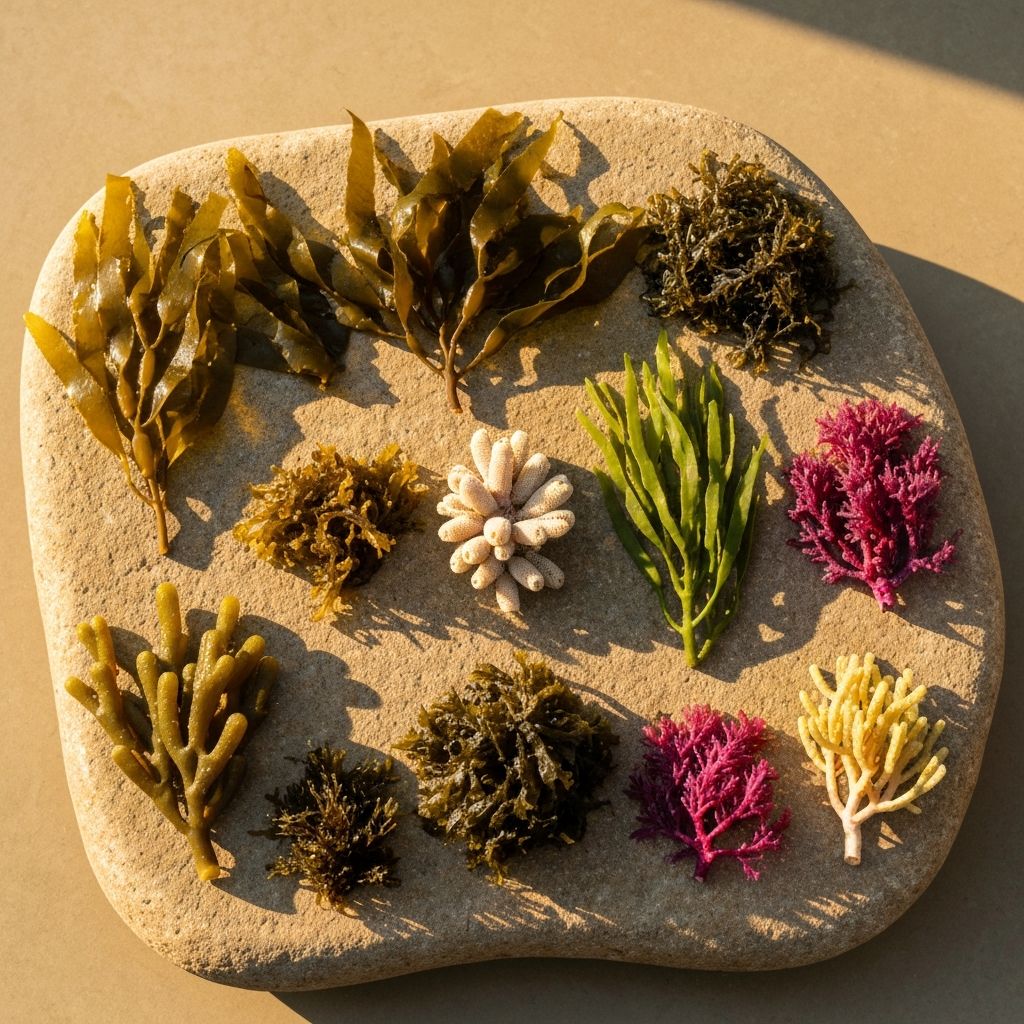
Glucosamine occurs naturally in both marine organisms and plant sources throughout Java's diverse ecosystems. Marine-based glucosamine traditionally comes from shells and sea-based organisms, while plant-based sources include various fungi and algae found in Java's waters.

In traditional Javanese diets, these sources have been incorporated for their nutritional composition and role in supporting structural elements of the body. The bioavailability and effectiveness of glucosamine has been a subject of traditional nutritional discussion across Java's culinary practices.

Sea sources of glucosamine
Traditional chondroitin sources

Chondroitin in Traditional Diets

Chondroitin is a naturally occurring compound in various Javanese food sources, particularly in marine animals and certain plant materials. Traditional Javanese cooking has long incorporated ingredients rich in this compound as part of everyday nutrition.

The role of chondroitin in traditional diets reflects the broader Javanese approach to nutrition: incorporating diverse, naturally sourced ingredients believed to support overall comfort and mobility in daily life.

Collagen Peptides from Marine Origins

Java's coastal waters provide rich sources of marine collagen, derived from fish and other sea creatures. Marine collagen has been traditionally valued in Javanese cuisine for its nutritional profile and use in broths and traditional dishes.

Collagen peptides, being smaller amino acid chains, offer higher bioavailability compared to intact collagen. Traditional preparation methods in Java have long focused on extracting these beneficial peptides through slow cooking and bone broth preparation.

Marine collagen sources
MSM rich Java plants

MSM in Plant-Based Java Foods

Methylsulfonylmethane (MSM) occurs naturally in various Java plant sources including garlic, onions, cabbage, and cruciferous vegetables. This organic sulfur compound has been part of traditional Javanese agriculture and food preparation for centuries.

MSM's presence in plant-based foods reflects the broader nutritional abundance of Java's agricultural output. Traditional consumption of these vegetables provides natural MSM intake as part of a diverse, plant-rich diet.

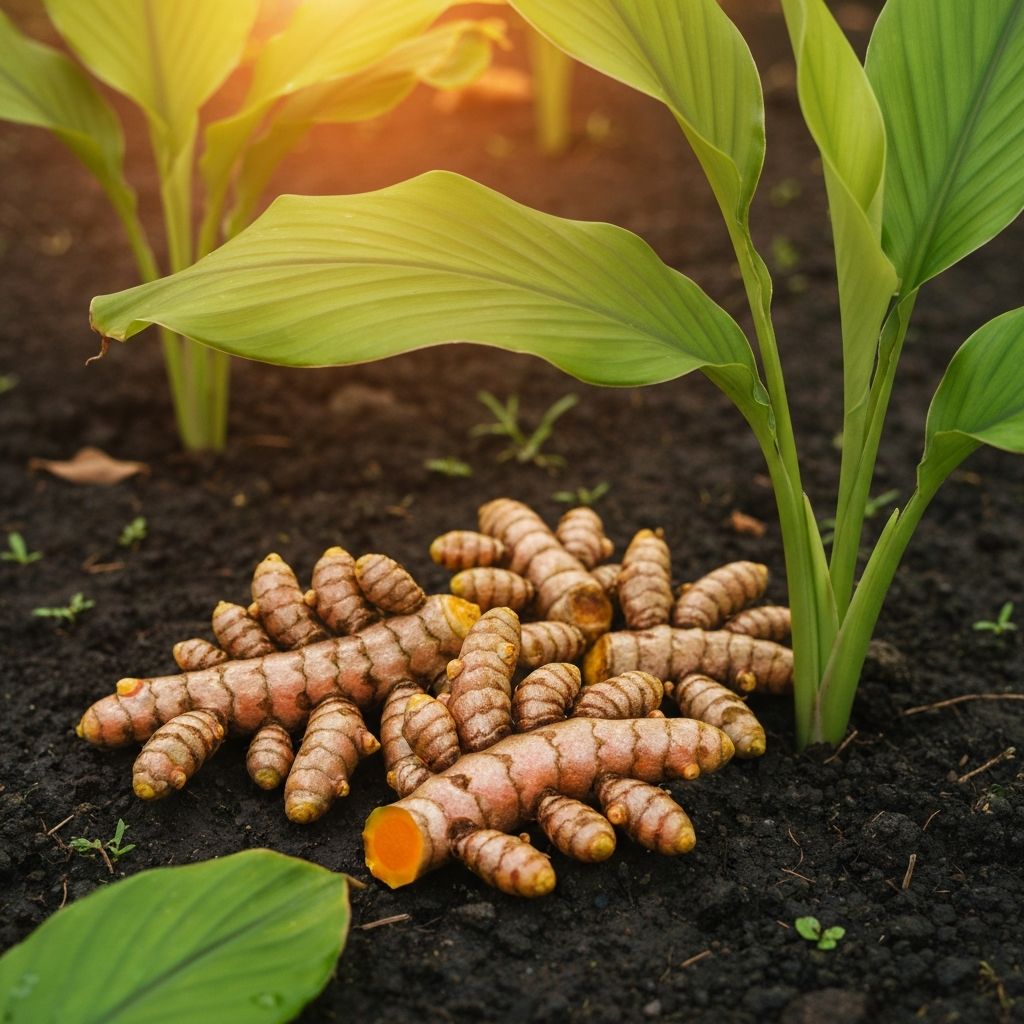
Curcumin from Javanese Turmeric

Turmeric (Curcuma longa) is native to Southeast Asia and thrives abundantly in Java's climate. The plant has been cultivated in Java for thousands of years, becoming a cornerstone of both culinary and traditional wellness practices.

Curcumin, the primary active compound in turmeric, represents one of the most widely discussed natural compounds in traditional Javanese wellness. Its role in traditional diets and cultural practices is deeply embedded in Javanese society, used extensively in cooking, ceremonies, and traditional wellness discussions.

Javanese turmeric
Ginger, boswellia and herbs

Ginger, Boswellia, Jambu & Daun Info

Ginger: A fundamental ingredient in Javanese cuisine and traditional wellness practices, ginger (Zingiber officinale) grows abundantly and has been used for centuries in food preparation and traditional medicine.

Boswellia: Also known as frankincense, boswellia trees grow in Java and their resin has been part of traditional practices and cultural ceremonies for generations.

Jambu: Java apple and water apple (jambu varieties) are traditional fruits rich in various compounds and have been incorporated into everyday diets and wellness discussions.

Daun (Leaves): Various medicinal and culinary leaves traditional to Java, including pandan (fragrant leaf), serve important roles in traditional cooking and wellness practices.

Java Native Compounds for Everyday Wellness

These natural compounds from Java represent diverse botanical sources supporting various nutritional approaches to everyday movement and comfort:

Java native roots and spices

Traditional Root Compounds

Natural roots and tubers from Java including turmeric, ginger, and other botanical sources traditionally used for nutritional diversity and everyday wellness support.

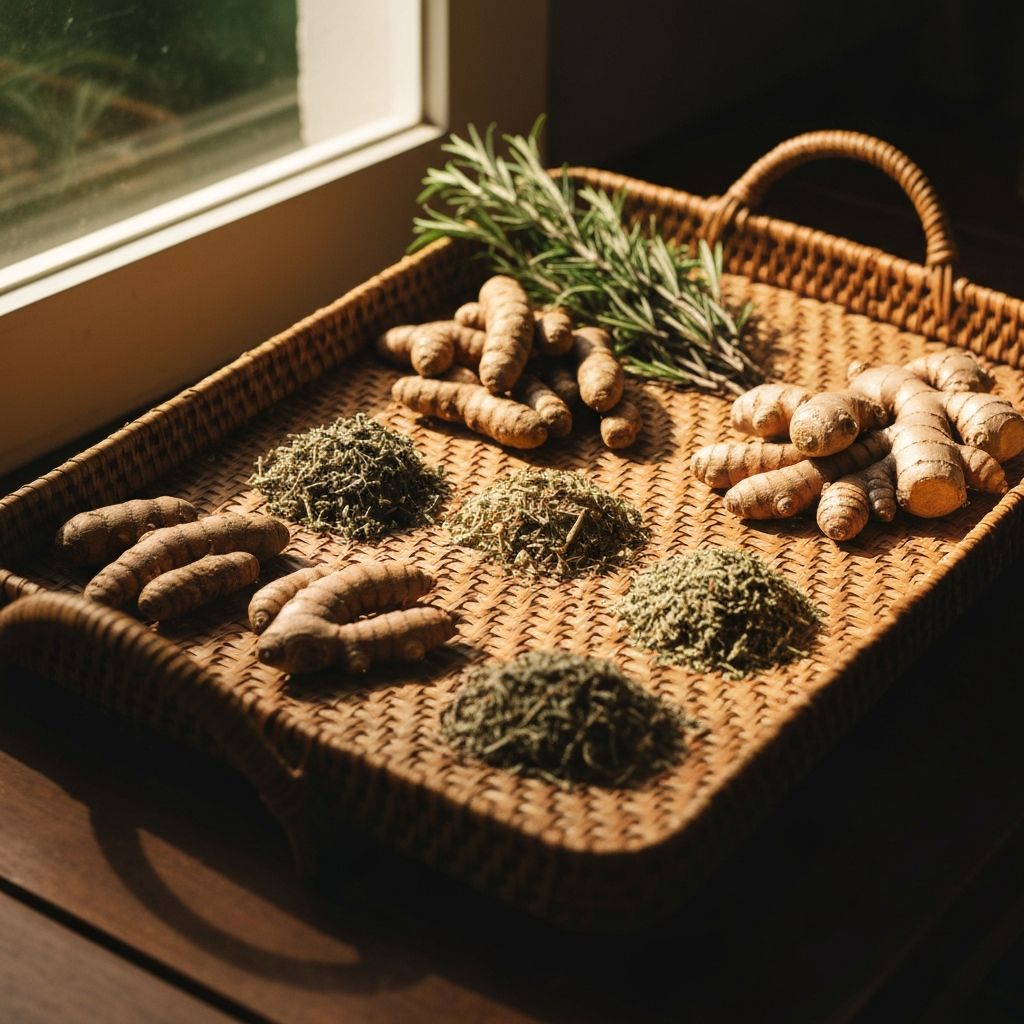
Java herbs and dried compounds

Herbal & Botanical Compounds

Dried herbs, boswellia, and various botanical compounds representing Java's rich herbal tradition and their roles in traditional nutrition and wellness practices.

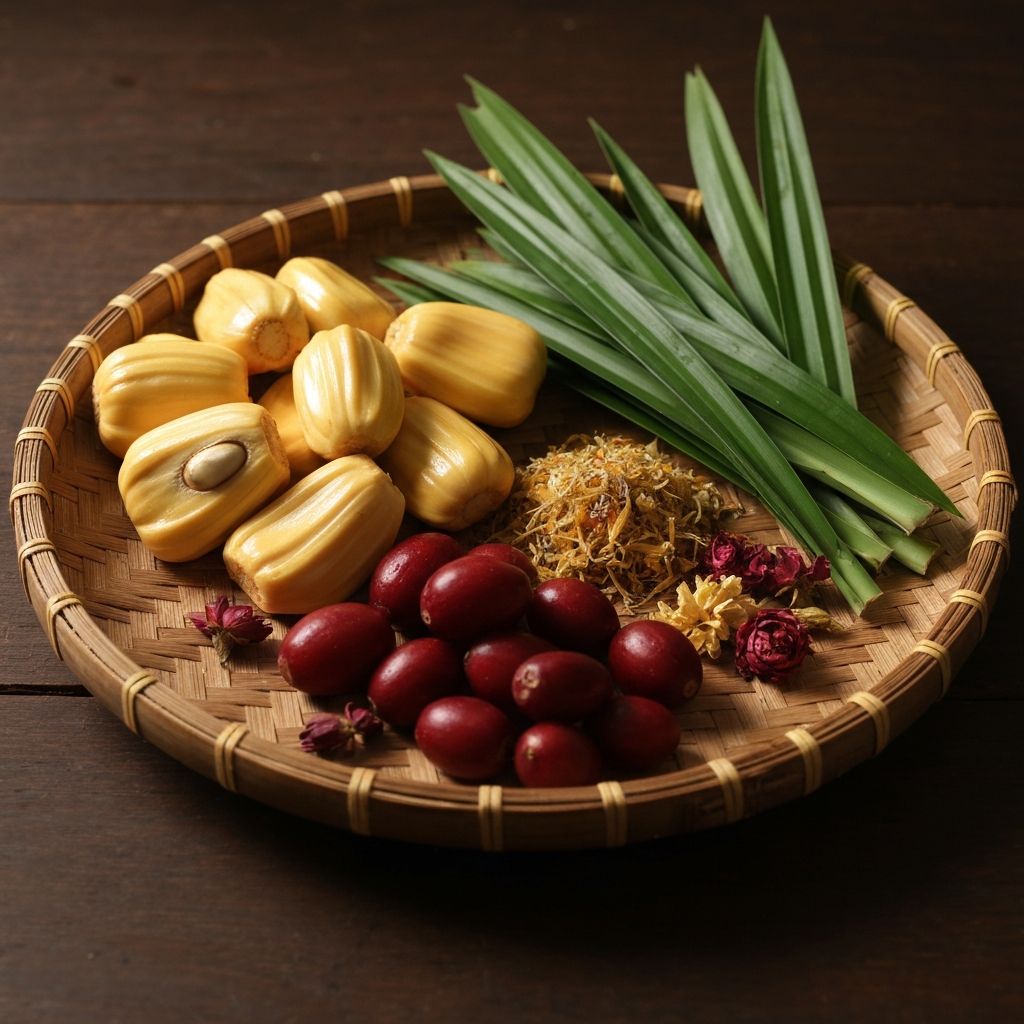
Fresh produce from Java market

Local Food Sources

Fresh fruits, vegetables, and culinary ingredients from Java's markets representing the natural abundance and dietary diversity of the region's traditional nutrition.

Frequently Asked Questions

What is the informational purpose of this resource?

This website serves as an educational resource about Java's native plant nutrients and their traditional roles in Javanese culture and food practices. The information presented is for learning purposes only, providing context about these natural compounds, their botanical origins, and their place in traditional Javanese wellness discussions and culinary traditions.

Are these compounds specific to Java only?

While many of these compounds are widely distributed across tropical and subtropical regions, this resource focuses specifically on their presence and traditional use within Java's unique ecosystem and cultural context. Java's climate, soil, and agricultural practices create distinctive characteristics for these botanical compounds.

How is bioavailability of these compounds discussed?

Bioavailability refers to the degree to which a nutrient can be absorbed and utilized by the body. This varies based on food source, preparation method, and individual factors. Traditional Javanese cooking techniques have evolved to potentially optimize nutrient absorption through specific preparation methods such as slow cooking and the combination of certain ingredients.

What does "informational context" mean in this resource?

Informational context means presenting factual information about these compounds—their botanical sources, traditional uses, chemical composition, and historical significance in Javanese culture—without making health claims, providing medical advice, or suggesting treatments. This approach respects the educational nature of the resource.

Can I learn about preparation methods for these foods?

Yes. Traditional preparation methods are part of the cultural and nutritional heritage of Java. Learning about how these ingredients have been traditionally prepared in Javanese cuisine provides valuable insight into their historical use and integration into everyday food practices across generations.

What individual differences should be considered?

Individual responses to dietary components vary widely based on genetics, existing health conditions, medications, allergies, and personal physiology. What works well in one person's diet may have different effects or considerations for another. Dietary and wellness decisions should always be personalized and informed by professional guidance.

Essential Context & Limitations

Important Information About This Resource

Educational Purpose: This website presents factual, informational content about Java's native plant compounds and their traditional roles in Javanese culture and food practices. The information is presented for educational understanding only.

No Individual Recommendations: This resource does not provide personalized dietary recommendations, health advice, or medical guidance for any individual. All information is general in nature and should not be interpreted as applying to your specific situation.

Diverse Approaches: In everyday wellness practices, there are many different approaches and perspectives. Individual needs vary significantly based on personal health conditions, genetics, medications, allergies, and numerous other factors. What is appropriate for one person may not be suitable for another.

No Replacement for Professional Guidance: The information on this website does not replace professional medical, nutritional, or healthcare advice. Important health and wellness decisions should always be made in consultation with qualified healthcare professionals who understand your individual circumstances.
Responsibility & Autonomy: While this resource provides factual information, individual responsibility for health and dietary decisions remains with each person. Professional guidance should always precede any significant dietary or wellness changes.

Not a medicinal product. Consult a healthcare professional before use.

Continue Your Learning

This resource offers an introduction to Java's native plant compounds and their traditional significance. To deepen your understanding of nutritional science, botanical compounds, and personalized dietary approaches, we encourage you to explore additional educational resources and consult with qualified nutrition and healthcare professionals.

Knowledge about traditional foods and their nutritional composition supports informed personal decisions about diet and wellness.

Get in Touch

Have questions or want to learn more about our educational resource? We'd appreciate hearing from you.

Thank you! Your message has been received. We'll get back to you soon.
Welcoming contact space